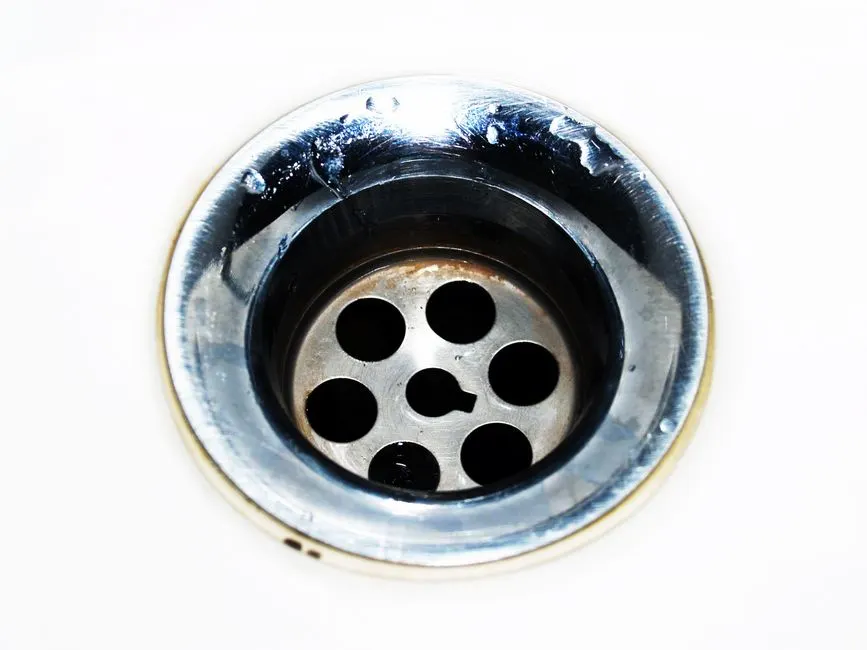
You can unclog a bathroom sink without harsh chemicals by using boiling water, a baking soda and vinegar reaction, or a plunger - in that order. These methods break down soap scum, hair, and toothpaste residue safely, and they work on most clogs that haven't fully hardened. Below, we walk through each technique step by step, explain why bathroom sinks in Littleton clog so often, and tell you when it's time to call a pro.
Why bathroom sinks clog in Littleton homes
Bathroom sinks in Littleton clog because hair, soap scum, and toothpaste bind together inside the P-trap and the horizontal arm of the drain. Our water here is moderately hard - around 7 to 10 grains per gallon - which leaves calcium deposits that give debris something to grab onto.
Older homes near Downtown Littleton and Historic Downtown Littleton often have original 1.25-inch or 1.5-inch galvanized pipes. Those pipes corrode from the inside, narrowing to half their original diameter over 50 or 60 years. Newer builds in Littleton Village and Southbridge use PVC, which stays smoother, but the traps still collect hair just as fast.
We see the same pattern in every neighborhood: a slow drain that gets ignored for a few weeks, then a full backup on a Sunday morning. If you catch it while the water is still draining slowly, a natural fix usually clears it in 10 minutes.
Start with the least invasive method: boiling water
Boiling water is the safest first step for a bathroom sink clog because it melts soap scum and softens grease without damaging pipes. Bring a full kettle to a rolling boil, then pour it directly into the drain in two or three stages, waiting 10 seconds between pours.
If the water starts draining faster after the first pour, repeat until the sink empties completely. This works best on fresh clogs - ones that formed within the last week or two.
Do not use boiling water if you have PVC pipes under the sink and the clog is in the trap itself. PVC can soften at temperatures above 140°F, and boiling water is 212°F. For older metal pipes, boiling water is fine.
If boiling water alone doesn't clear it, move to the next method.
The baking soda and vinegar method
Baking soda and vinegar create a fizzy reaction that loosens organic debris without damaging pipes or septic systems. This is the go-to natural drain cleaner for Littleton CO homeowners who want to avoid caustic soda or sulfuric acid products.
Here's the sequence:
- Pour 1/2 cup of baking soda straight into the drain.
- Follow with 1/2 cup of white vinegar. It will foam immediately.
- Cover the drain with a plug or a rag to trap the pressure for 10 minutes.
- Flush with 4 cups of boiling water.
Repeat the process two or three times if the drain is still slow. For a stubborn clog, let the baking soda and vinegar sit overnight before flushing.
One note: baking soda and vinegar won't dissolve a solid hair ball. It breaks down the soap and grease holding the hair together, which often lets the hair slide through. If the clog is pure hair, you'll need a mechanical method.
Manual methods: plunger and drain snake
A plunger or a hand snake physically removes the clog, which is why these methods work when natural cleaners stall out. For a bathroom sink, use a small cup plunger - not a flange plunger meant for toilets.
Seal the overflow hole with a wet rag first. That forces the suction down the drain instead of out the overflow. Then plunge firmly 10 to 15 times without breaking the seal.
If plunging doesn't work, a hand snake (also called a drain auger) is the next step. These cost $20 to $40 at any hardware store in Littleton. Feed the cable into the drain until you feel resistance, then crank the handle clockwise to break up or hook the clog. Pull it out slowly and wipe the debris into a trash bag - never flush it back down.
For clogs deeper in the line, or if you'd rather not deal with the mess, our bathroom sink Drain Cleaning Littleton CO service uses professional augers and cameras to clear the line without harsh chemicals.
Natural enzyme cleaners: how they work
Enzyme cleaners use bacteria and enzymes to digest organic matter - hair, soap, grease, and paper - over 12 to 24 hours. They're slower than chemical drain openers but safe for pipes, septic systems, and the environment.
Pour the directed amount into the drain before bed, when the sink won't be used for at least 8 hours. The enzymes need contact time to work. You'll see results by morning for a slow drain, or after two or three applications for a moderate clog.
Enzyme cleaners work best as maintenance, not as an emergency fix. Use them once a month in bathroom sinks that clog repeatedly. They're also safe for the older pipes common in homes near Sterne Park and Ketring Park, where caustic chemicals can accelerate corrosion.
Look for products labeled "enzyme drain cleaner" or "bacterial drain cleaner" at hardware stores. Avoid anything with sodium hydroxide or sulfuric acid - those are the harsh chemicals you're trying to avoid.
Common mistakes to avoid
The biggest mistake is pouring chemical drain cleaner down a fully blocked sink. If the chemical sits on top of the clog and doesn't drain, it can splash back when you run water later. It also makes the clog harder for a plumber to remove safely.
Other mistakes we see:
- Using too much baking soda and vinegar at once. A half-cup of each is enough. More just creates a bigger mess.
- Skipping the overflow hole. If you don't seal it, the plunger pushes water out the overflow instead of down the drain.
- Flushing hair down after snaking. Always throw hair in the trash. It will re-clog the drain within days.
- Ignoring a slow drain. A drain that takes 30 seconds to empty is already 50% blocked. Fix it now, not after it backs up.
If you've tried two or three methods and the water still stands, stop. Continuing to plunge a fully blocked drain can push the clog deeper into the branch line, which turns a $150 repair into a $400 one.
When to call a professional
Call a professional when the clog returns within a week, when multiple drains in the house are slow, or when you see water backing up in the tub when you run the sink. Those signs point to a blockage in the branch line or main sewer line, not the sink trap.
We handle bathroom sink clogs across Littleton every week. For a single slow sink, we clear it with a hand auger or a small snake in under an hour. For recurring clogs, we run a camera down the line to find out why - hair alone rarely causes a clog that comes back three times in a month.
If the clog is in the main line, we may recommend hydro jetting Littleton CO, which scours the pipe walls clean instead of just poking a hole through the clog. It's the difference between clearing a drain and fixing it.
We also serve neighborhoods like Ken Caryl Drain Cleaning Littleton CO, where 1970s and 1980s homes often have cast iron drains that scale up over time. If your home was built before 1990 and you've had two or more clogs this year, it's worth having the line inspected.
Frequently Asked Questions
How do I unclog a bathroom sink without chemicals in Littleton CO?
Start with boiling water. If that doesn't work, use 1/2 cup baking soda followed by 1/2 cup vinegar, wait 10 minutes, then flush with boiling water. For stubborn clogs, use a cup plunger with the overflow hole sealed, or a hand snake. These methods clear most bathroom sink clogs in 15 to 30 minutes.
What natural remedies work for bathroom sink clogs in Littleton Colorado?
Boiling water, baking soda and vinegar, and enzyme drain cleaners are the three most effective natural remedies. Boiling water melts soap scum. Baking soda and vinegar loosen organic debris. Enzyme cleaners digest hair and grease over 12 to 24 hours. All three are safe for PVC, copper, and galvanized pipes.
Is baking soda and vinegar safe for Littleton bathroom drains?
Yes. Baking soda and vinegar are safe for all common drain materials, including PVC, copper, and cast iron. They won't damage pipes or septic systems. The only caution is not to use them as a substitute for mechanical removal if the clog is solid hair - the fizz won't dissolve hair, only the soap holding it together.
Why does my bathroom sink keep clogging in Littleton CO?
Recurring clogs usually mean one of three things: a partially blocked P-trap that never fully cleared, corroded pipes in a pre-1990 home, or a blockage in the branch line shared with the tub. If the clog returns within a week of clearing, the problem is deeper than the sink drain itself.
When should I call a drain cleaner in Littleton Colorado?
Call a pro when the clog returns within a week, when two or more drains are slow at the same time, or when water backs up into the tub or shower. Those are signs of a main line blockage. A camera inspection costs $150 to $300 and tells you exactly what's happening inside the pipe.
Get help with Drain Cleaning Littleton CO in Littleton
If you've tried the natural methods and the water still won't drain, we can clear it today. Our team handles bathroom sink clogs, slow drains, and main line blockages across Littleton - no harsh chemicals, no mess left behind.
Call us at +18312931204 and we'll get your sink draining properly again.